
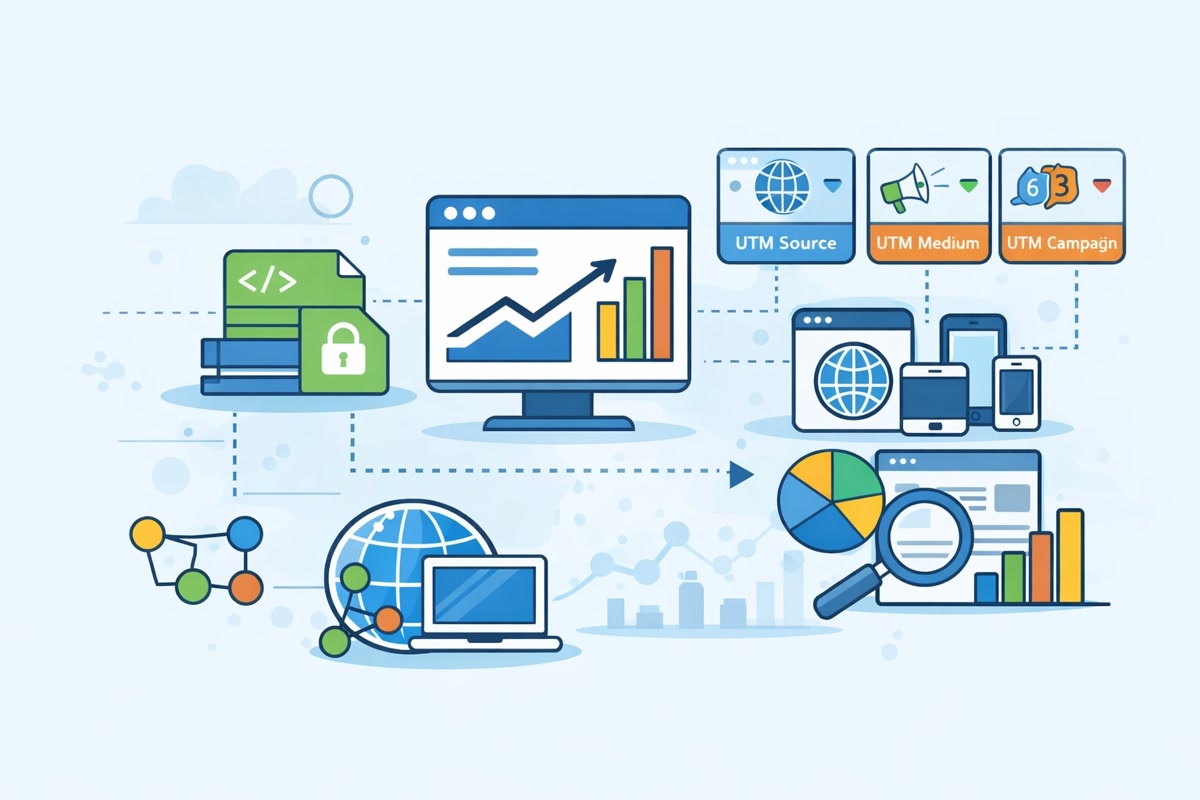
We're introducing a new feature that makes it easier to understand where your traffic comes from - while staying fully privacy-first.
PageviewsOnline now supports filtering analytics by UTM Source, UTM Medium, and UTM Campaign.
Why UTM Filtering Matters
UTM parameters are a standard way to measure the effectiveness of marketing and distribution efforts. Whether you're sharing links via newsletters, social media, paid ads, or partner referrals, UTMs help answer a key question:
Which campaigns are driving pageviews?
With UTM filtering, you can:
- Identify which sources drive traffic
- Compare mediums such as email, social, or ads
- Measure the performance of individual campaigns
All without tracking users.
How It Works
If your URLs include standard UTM parameters, PageviewsOnline automatically detects them:
- utm_source
- utm_medium
- utm_campaign
You can now filter your dashboard using these parameters to break down pageviews by campaign context. No configuration or additional code is required.
Privacy-First by Design
This feature follows the same principles as the rest of PageviewsOnline:
- No cookies
- No personal data
- No user accounts or identifiers
- Data stored and processed in the EU
UTM parameters are analyzed only at the pageview level and never combined with personal or persistent identifiers.
Who This Is For
- SaaS founders tracking launch and growth campaigns
- Indie hackers measuring newsletter and social traffic
- Open-source maintainers understanding referral impact
- Teams needing GDPR-friendly analytics without consent banners
Available Now
UTM filtering is live and available in the dashboard today.
You can try it immediately using the live demo or start using it on your own site with existing UTM-tagged links.

Disclaimer: This article may have been written by a guest author. The views and opinions expressed are those of the author and do not necessarily reflect the official stance of PageviewsOnline. The content is provided for general informational purposes and may no longer be up to date since first publication. Neither the author nor PageviewsOnline assumes responsibility for any errors, omissions, or outdated information in the article.